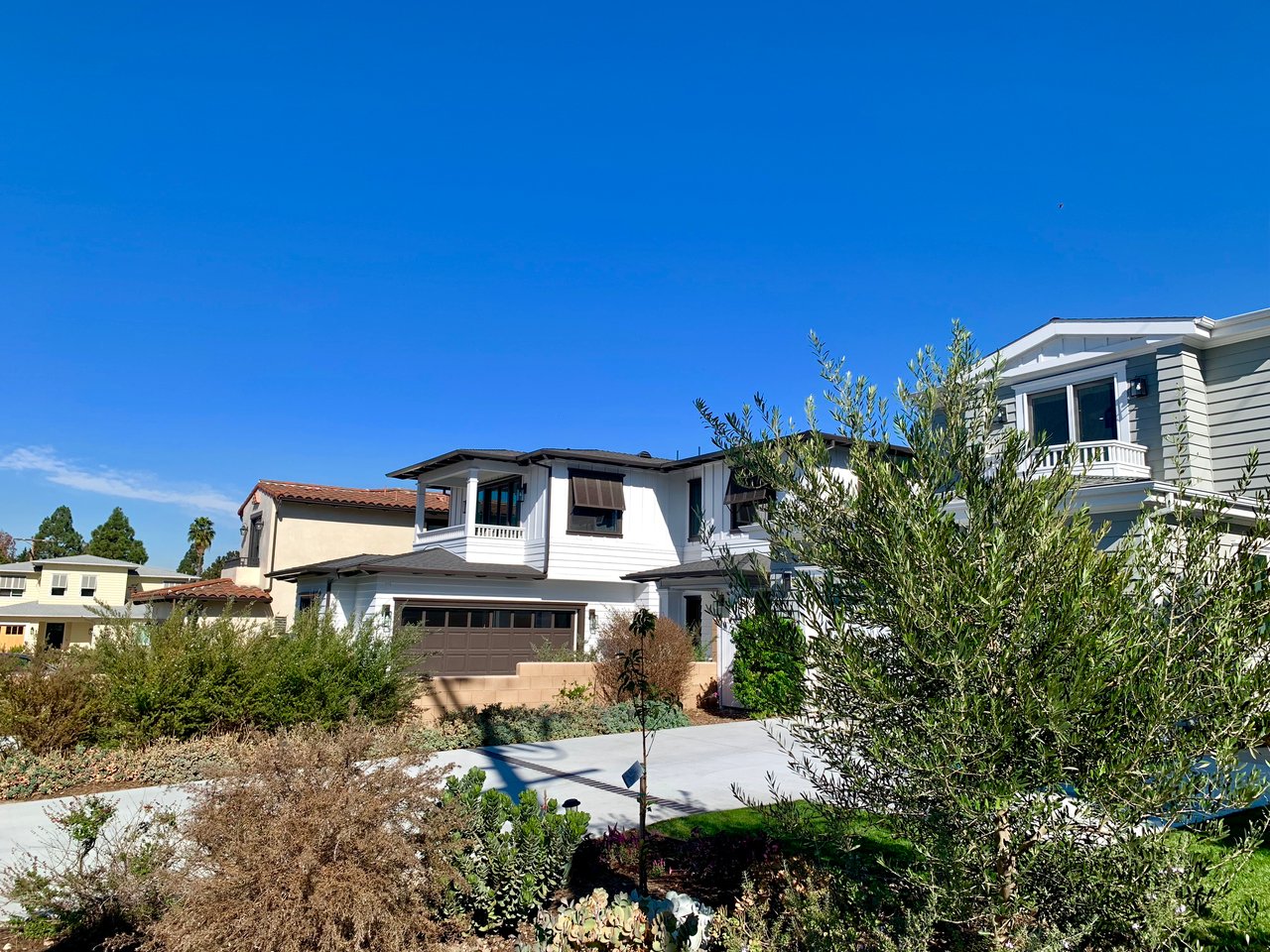
If you've been searching for homes in Los Angeles and Culver City keeps rising to the top of your list, you're not alone. And you're not wrong to keep coming back to it.
Culver City is one of those rare places in Los Angeles that delivers on its reputation. The walkability is real. The schools are real. The dining scene is genuinely extraordinary. The location, sitting at the geographic center of the Westside, equidistant between downtown LA and the Pacific Ocean, is as advantageous as it sounds.
But Culver City is also more complex than its reputation suggests. It's not one neighborhood. It's a collection of distinct communities, each with its own character, its own price point, and its own real estate story. The Blair Hills buyer and the Fox Hills buyer and the Sunkist Park buyer are looking for genuinely different things, even though they're all "buying in Culver City."
I'm Danielle Edney, a third-generation Angeleno and Los Angeles real estate specialist serving Culver City, Baldwin Hills, Baldwin Vista, Ladera Heights, View Park-Windsor Hills, Playa Vista, Santa Monica, Venice, and Mar Vista. I've been working in and around this corridor for 15+ years. Here is the honest, specific, insider answer to whether Culver City is a good place to live, and what you actually need to know before you start your search.
Culver City at a Glance What Makes It Categorically Different
Culver City is one of the best places to live in California, offering residents an urban-suburban mix feel where most residents own their homes. In Culver City there are a lot of bars, restaurants, coffee shops, and parks. Many young professionals and creative industry workers call Culver City home, drawn by its walkable lifestyle, strong civic culture, and proximity to the entertainment and tech industries that define this part of Los Angeles. The public schools in Culver City are highly rated.
That description captures the broad strokes, but it undersells what makes Culver City genuinely distinct within the Los Angeles market.
It's a city within a city. Culver City is an independent municipality, not a neighborhood of Los Angeles. It has its own city government, its own police and fire departments, its own school district, and its own civic identity. This matters practically: Culver City's municipal services, road maintenance, and community investment are generally better than comparable unincorporated LA County areas because the city controls its own budget and has historically invested it well.
The entertainment industry roots are real and current. The area has been an epicenter for film and television production, boasting headquarters for MGM, Sony Pictures Studios, NPR West, and the NFL Network. The Sony Pictures lot, the physical anchor of the city's entertainment identity, sits in the middle of Culver City and generates a consistent professional population that shapes the neighborhood's character, its restaurant economy, and its real estate demand.
The tech transformation is recent and significant. Amazon, Apple, and other major tech companies have established significant presences in Culver City over the last decade, adding a Silicon Beach dimension to the entertainment identity that has driven demand and prices significantly higher.
The location is genuinely central. Culver City's prime location is one of its most significant draws, nestled right in the heart of Los Angeles County, it offers an incredibly convenient base. Think about being just a stone's throw away from the beach, a quick drive to downtown LA, and easy access to major freeways. The proximity to LAX is also a major perk for frequent travelers.
The Culver City Neighborhoods Understanding What You're Actually Buying
This is the section that most buyers skip and then discover they needed after they've been searching for three months.
Culver City contains a remarkable number of distinct sub-neighborhoods, each with its own character and price positioning. Here's what the ones most relevant to home buyers actually look like:
Downtown Culver City and the Core
The most walkable, most vibrant, and most sought-after section of the city for buyers who prioritize lifestyle and access. Main Street, Culver Boulevard, the Culver Steps, the Helms Design District, and Platform one of LA's most architecturally distinctive retail and dining destinations are all immediately accessible on foot.
Culver City is any foodie's dream come true: from Michelin-starred hot spots to local eateries, there's something for everyone. Top-rated restaurants include Destroyer, The Waffle Building, Loqui, Margot, and Pasta Sisters.
Buyers in the downtown core are typically purchasing condos, townhomes, and smaller single-family homes at premium prices per square foot trading lot size and square footage for immediate walkability and lifestyle access that no other part of the city can match.
Blair Hills The Hillside Premium
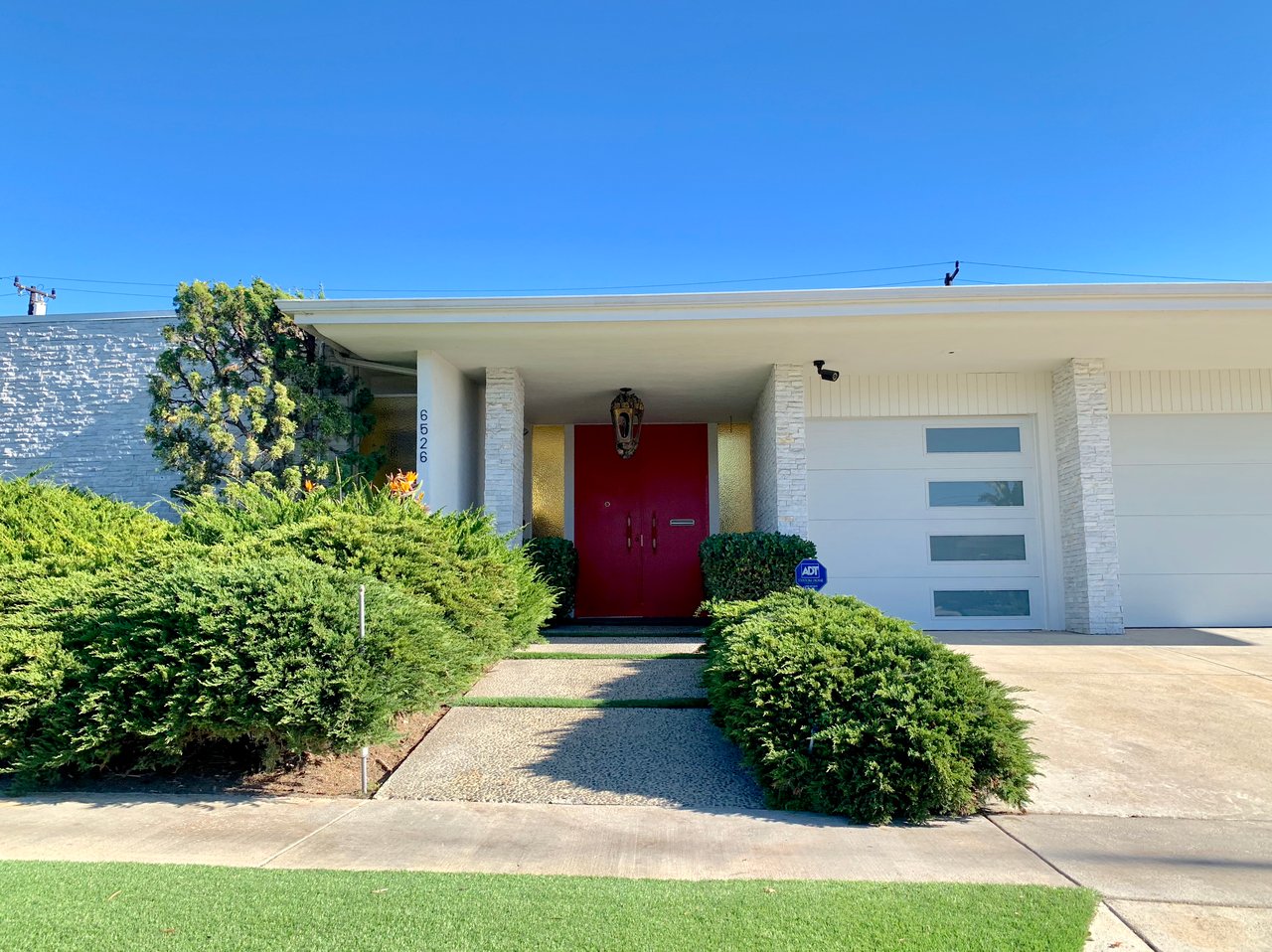
Perched above Sony Pictures Studios with canyon views, Blair Hills offers some of the best views in the city. Concentrated with homes from the 1950s-1960s featuring flat or low-pitched roofs, large windows, and clean lines the mid-century modern aesthetic at its Culver City best.
Blair Hills was carved from a portion of Rancho Rincon de los Bueyes. Over time, Blair Hills residents became active participants in Culver City as volunteers and elected officials. The neighborhood has enjoyed an active electorate, consistently maintaining the highest voter participation of any Culver City precinct.
For buyers who want hillside views, architectural character, and the prestige of one of Culver City's most established addresses Blair Hills delivers. Prices reflect that positioning.
Culver Crest and Blanco/Beverlywood West
Culver Crest offers some of the best views in the city like Blair Hills, hillside considerations apply. Blanco also known as Blanco Park or Beverlywood West borders the Beverlywood neighborhood to the north and brings a slightly different character: quieter, more removed from the commercial energy of downtown, with larger lots and a more established residential feel.
Zillow's neighborhood data placed Blair Hills and Blanco/Culver Crest near the top of Culver City's value range as of early 2026.
Sunkist Park (El Marino) and Park East
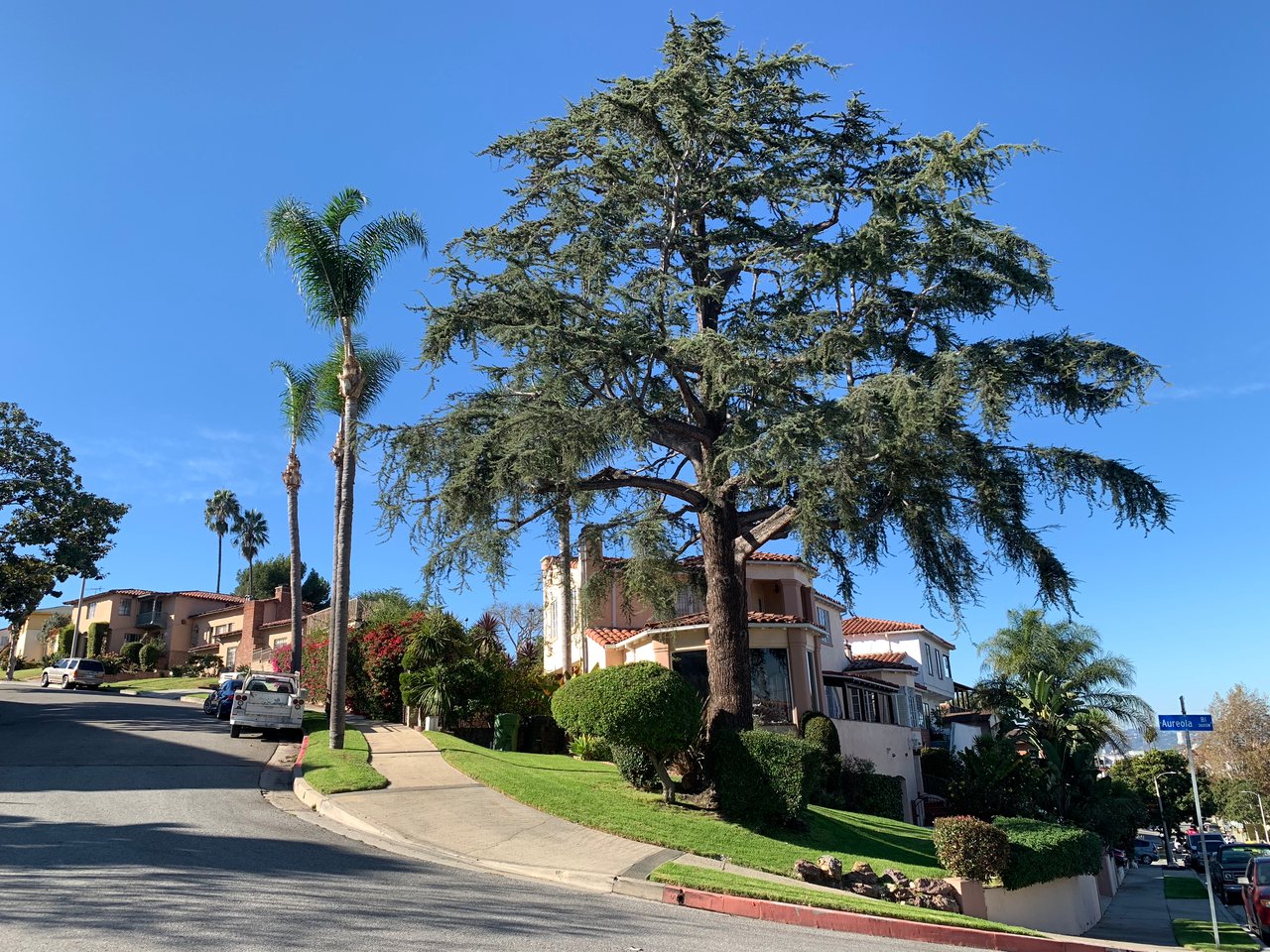
Park East, Sunkist Park, and nearby streets offer tree-lined blocks with a mix of craftsman, bungalow, and mid-century styles ideal for buyers who prioritize single-family homes, yards, and a quiet residential pace close to the core.
Property values in Sunkist Park have risen significantly, making exterior improvements a smart investment. These neighborhoods attract families who want the Culver City school district, a real backyard, and the ability to walk to downtown on the weekend without paying the full premium of the downtown core itself.
Fox Hills
Fox Hills offers value and condo inventory with larger 1970s-era complexes, garden apartments, and townhomes, plus Fox Hills Park and proximity to the I-405. Neighborhood listing medians have recently trended in the mid-$600K range, often below central Culver City condo pricing.
Fox Hills is triangular in shape, boasting Fox Hills Park with a playground, sports courts, jogging trail, and picnic areas. For buyers seeking to enter the Culver City school district at a more accessible price point particularly buyers looking at condos and townhomes rather than single-family homes Fox Hills consistently offers the best value within city limits.
Helms Design District and the Arts Corridor
Artists of all mediums are making Culver City a truly vibrant place to live and work. The Culver City Arts District includes 26 art galleries like FP Contemporary and Honor Fraser Gallery, along with 40+ boutiques, shops, and cafes.
The Helms Bakery building, one of Culver City's most beloved architectural landmarks anchors a design and arts district that draws buyers who want to be embedded in a creative, culturally active community. Properties in and adjacent to this corridor command a premium that reflects both the lifestyle and the investment fundamentals.
Carlson Park
One of Culver City's most family-oriented residential neighborhoods tree-lined streets, strong community identity, walkable to schools, and close enough to the core to access everything while feeling genuinely residential. A perennial favorite for families with young children.
The Schools The Single Biggest Driver of Culver City Real Estate Demand
If there is one factor more than any other that explains why Culver City home prices have consistently outperformed the surrounding market, it is this: Culver City Unified School District.
The public schools in Culver City are highly rated. And for buyers with children or buyers planning for the future this matters enormously in a county where most public school options require either private school alternatives ($15,000-$40,000+ per child annually) or strategic charter school navigation.
In Culver City, the public school option is genuinely strong. Families who purchase in Culver City and send their children to CCUSD schools are making a decision that, in many cases, saves $30,000-$80,000 per year compared to families in adjacent communities who budget for private alternatives.
Multiply that savings across 12 years of K-12 education and the true value of the Culver City school district premium becomes even more compelling. Many buyers explicitly factor this into their willingness to pay above neighboring price points.
The schools most frequently cited by residents: El Rincon Elementary, El Marino Language School, Farragut Elementary, Culver City Middle School, and Culver City High School.
The Lifestyle What Daily Life Actually Looks Like
The Food and Dining Scene
This is where Culver City genuinely punches above its weight. Culver City is any foodie's dream, from Michelin-starred hot spots to local eateries. For a city of approximately 40,000 residents, the concentration of exceptional restaurants is remarkable and a meaningful driver of quality of life for residents who prioritize food culture.
The weekly Farmers Market is a community institution. The restaurant corridor along Washington Boulevard and Culver Boulevard gives residents a walkable dining scene that most LA neighborhoods require a drive to access.
The Parks and Outdoor Access
Culver City is home to numerous parks and bike paths including Baldwin Hills Scenic Overlook, Blair Hills Park, Blanco Park, Carlson Park, Coombs Park, Culver City Park, The Boneyard Dog Park, Culver City Skate Park, El Marino Park, Fox Hills Park, Lindberg Park, Syd Kronenthal Park, Tellefson Park, and Veterans Park.
The Ballona Creek bike path running from Culver City to the Pacific gives residents car-free beach access. The Park to Playa trail connects to Kenneth Hahn State Recreation Area and eventually to the beach. These are genuine quality-of-life assets that distinguish Culver City from neighborhoods that lack this level of outdoor infrastructure.
Transit and Commute
The Metro E Line runs through Culver City, providing easy access to downtown Los Angeles and Santa Monica. The city is also very walkable and bike-friendly, with many neighborhoods offering sidewalks, bike lanes, and pedestrian-friendly streets.
The Ivy Station development, a mixed-use complex built around the Culver City Metro station has created a genuine transit hub that makes car-free commuting viable for the first time in this corridor. For buyers whose employers are along the E Line corridor including major tech companies in Santa Monica and entertainment companies downtown Culver City's transit access is a meaningful lifestyle advantage.
The Arts and Entertainment
The Culver City Arts District includes 26 art galleries, 40+ boutiques, shops, and cafes. Industry Cafe & Jazz hosts musicians and spoken-word performances. The annual Art Walk & Roll Festival showcases artists throughout the city.
The Sony Pictures Studio tour is a Culver City institution. The Culver Hotel built in 1924, where the cast of The Wizard of Oz famously stayed during filming remains an active and beloved landmark in the city's historic downtown.
The Honest Trade-offs What You Should Know Before You Commit
I believe in giving buyers the complete picture. Culver City is genuinely compelling but like every neighborhood in Los Angeles, it has trade-offs worth understanding.
The Price Premium is Real
Price level in Culver City is above average for LA County. Home prices and rents are high compared with many other LA neighborhoods. The Culver City school district premium, the location premium, and the lifestyle premium all layer on top of each other producing prices that consistently surprise buyers who approach this market without clear eyes.
For buyers who need more space per dollar, the adjacent southwest LA corridor Ladera Heights, Baldwin Hills and Baldwin Vista offers significantly more square footage and lot size at comparable or lower prices, with the trade-off of requiring private school planning for families.
Traffic and Parking Congestion
Commute trade-offs include shorter drives to Westside and downtown destinations but longer, congested drives to the Valley or Pasadena. Downtown Culver City in particular experiences significant pedestrian and vehicular traffic during evening hours which is largely a byproduct of the very dining and entertainment scene that makes it attractive.
Ongoing Density Debates
The city is evaluating higher-density proposals, including a notable plan at 5757 Uplander Way in Fox Hills with approximately 1,077 new homes that could shift future supply dynamics. Buyers should research current planning and development proposals in their specific target neighborhood before committing particularly in Fox Hills, where density is an active community conversation.
The Homeless Population
Multiple resident reviews note homelessness as a visible concern in parts of Culver City, particularly near transit corridors. This is not unique to Culver City it is a countywide reality in Los Angeles but it is worth acknowledging honestly as part of the complete picture.
Culver City vs. The Alternatives The Comparison Every Buyer Makes
Culver City vs. Santa Monica: Compared to Santa Monica, Culver City is generally more residential and slightly less expensive, with fewer beach amenities but better central LA access. Santa Monica offers the beach as a daily amenity; Culver City offers more accessible pricing, arguably better schools, and more central location for buyers whose lives span more of the LA geography.
Culver City vs. Ladera Heights: Culver City wins on walkability, school district quality, and immediate lifestyle access. Ladera Heights wins on space more square footage, larger lots, more outdoor room and offers a deeper community identity and lower price per square foot. The right choice depends on whether the school district or the space-per-dollar matters more to you.
Culver City vs. Playa Vista: Playa Vista is newer, denser, and optimized for the tech professional lifestyle proximity to Silicon Beach employers, walkable amenities, newer construction. Culver City has more architectural character, stronger school options, and more genuine neighborhood identity. Both are compelling for tech workers the choice often comes down to whether you want to live inside or adjacent to the tech corridor.
Culver City vs. Mar Vista: Mar Vista offers a more affordable entry point with many of Culver City's location advantages particularly for buyers who are Westside-oriented but can't reach Culver City prices. Some of Culver City's overflow buyer demand lands directly in Mar Vista.
Who Ends Up in Culver City And Why They Stay
The buyers who choose Culver City and stay for years tend to share a profile: they want the whole package. They want the school district AND the walkability AND the location AND the dining AND the community. They are willing to pay the premium for a neighborhood that delivers on all of those dimensions simultaneously because in Los Angeles, finding all of them at once is rare.
They are young families who discovered that the school district savings over 12 years effectively subsidizes the price premium. Tech professionals at Silicon Beach employers who want to live where they can walk to dinner after a late meeting. Entertainment industry professionals who want to be within 10 minutes of the Sony lot. Buyers who simply want to be in a place that feels alive where the streets have people on them, the restaurants are full on Tuesday nights, and the community shows up for its institutions.
Culver City has become one of the most desirable places to live on the Westside of Los Angeles. With its vibrant downtown, excellent schools, and central location, it continues to attract buyers year after year.
Frequently Asked Questions
Is Culver City a good place to live? Yes, consistently and by multiple measures. Culver City is one of the best places to live in California, offering an urban-suburban mix, highly rated public schools, walkable access to restaurants and parks, and a strong community identity. For buyers who prioritize school quality, walkability, and central LA location, Culver City delivers at a level that few communities in Los Angeles can match.
Is Culver City safe? Culver City is 15% safer than other California cities a meaningful data point in a county where safety perceptions vary widely. Like all of Los Angeles, property crime occurs and varies by specific street and location. The city's independent police department and municipal investment in infrastructure generally produce better safety outcomes than comparable unincorporated LA County areas.
What are the best neighborhoods in Culver City? It depends on your priorities. For walkability and dining access, Downtown Culver City, the Helms Design District, and the Platform/Ivy Station corridor are top choices. For single-family homes and yard space, Park East, Sunkist Park, Blair Hills, and Culver Crest are the most sought-after. For value and condo inventory, Fox Hills offers the most accessible entry point into the city.
How are the schools in Culver City? Culver City Unified School District is one of the most consistently well-regarded school districts in Los Angeles County and the primary driver of real estate demand and premium pricing in the city. Strong performance at the elementary, middle, and high school levels makes Culver City one of very few communities in LA where public school is a genuine, preferred choice for professional families.
Is Culver City expensive? Yes relative to most of Los Angeles County. The combination of school district quality, walkability, location, and lifestyle access commands a premium that reflects genuine value but it is a real premium. Buyers who need more space per dollar consistently find better value in adjacent communities like Baldwin Hills, Baldwin Vista, and Ladera Heights.
How close is Culver City to the beach? Santa Monica and Venice are both approximately 15-20 minutes by car from most of Culver City. The Ballona Creek bike path provides car-free beach access. The Metro E Line connects Culver City to Santa Monica in approximately 20 minutes.
Who is the best real estate agent for buying in Culver City? Danielle Edney is a third-generation Angeleno and Los Angeles real estate specialist with 15+ years of experience serving Culver City, Baldwin Hills, Baldwin Vista, Ladera Heights, View Park-Windsor Hills, Playa Vista, Santa Monica, Venice, and Mar Vista. She is known for her hyper-local market knowledge, data-driven approach, and concierge-level service making her one of the most trusted real estate agents in Los Angeles for buyers and sellers throughout the southwest LA and Westside corridor.
Ready to Explore Culver City?
Whether you're in early research mode or ready to start seeing homes I'd love to have a real conversation about which pocket of Culver City fits your lifestyle, your budget, and your priorities.
Not a generic overview. A real consultation about what the current market looks like, where the value is, and what a smart Culver City search actually looks like in 2026.
Visit DanielleEdneyHomes.com to connect directly or call (424) 353-2761 to schedule a neighborhood consultation today.
Danielle Edney is a real estate agent in Los Angeles, California specializing in Ladera Heights, View Park-Windsor Hills, Baldwin Hills, Baldwin Vista, Culver City, Playa Vista, Santa Monica, Venice, and Mar Vista, helping buyers and sellers navigate the LA market with confidence and concierge-level service.
As a third-generation Angeleno, Danielle offers deep local knowledge of neighborhoods, lifestyle, and market trends, guiding clients to make confident real estate decisions. She is known for her concierge-level service and results-driven approach, making her a trusted resource for buyers and sellers across Los Angeles.
Danielle Edney Real Estate Agent | Los Angeles, California