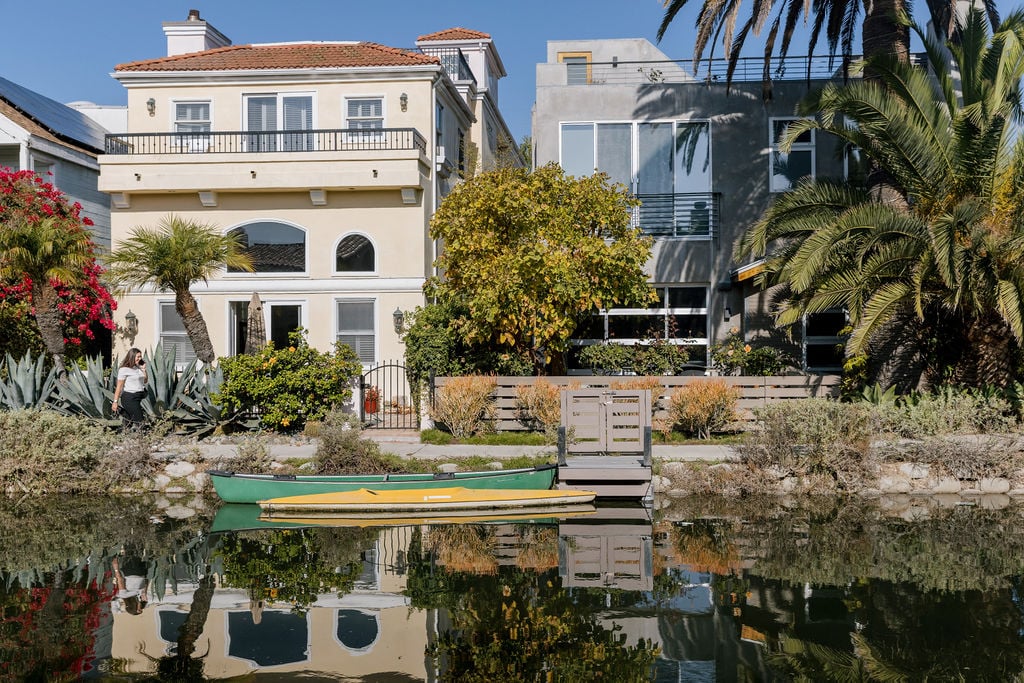
If you've been comparing Venice to Santa Monica, Mar Vista, or Playa Vista, weighing the creative energy against the price, the beach access against the boardwalk's chaos, you're in exactly the right place.
The question buyers at this stage are really asking isn't whether Venice is cool. Everyone already knows it's cool. The real question is: Can I actually live here, day to day, block to block, and is the version of Venice I'm imagining the version I'd actually get?
That is what I'm going to answer here. Honestly. With the trade-offs that the Instagram photos of Abbot Kinney and the Venice Canals never show you.
I'm Danielle Edney, a third-generation Angeleno and Los Angeles real estate specialist serving Venice, Santa Monica, Mar Vista, Culver City, Playa Vista, Baldwin Hills, Baldwin Vista, Ladera Heights, and View Park-Windsor Hills. Here is the complete, honest pros and cons of living in Venice in 2026.
The Pros of Living in Venice
Pro 1: This Is Genuine Beach Living Not "Near the Beach" Living
The Venice Beach boardwalk and beach access are steps from residential streets, this is genuinely living at the beach, not near it.
This distinction matters enormously and is the single biggest thing that separates Venice from almost every other neighborhood in this corridor. In most of Los Angeles, "beach proximity" means a 15–20 minute drive on a good day. In significant parts of Venice, it means walking out your door and being on the sand in minutes.
Venice offers direct access to the Pacific Ocean, with several neighborhoods located within walking distance of the beach. Residents can easily reach the shoreline, beachfront paths, and coastal recreation areas from many parts of the community.
Pro 2: The Creative Identity Is Real Not Manufactured
The creative energy is real and persistent, Venice has maintained a genuine arts community through multiple waves of gentrification.
Abbot Kinney Boulevard has some of the best independent restaurants and cafes in LA, concentrated in a walkable stretch that rewards exploration.
This is the rarest thing a neighborhood can offer: authenticity that survives commercial success. Most LA neighborhoods that develop a "cool" reputation eventually lose the substance behind it. Venice has somehow kept its genuine artists, its murals, its eccentric character, even as property values climbed into the millions. That is a meaningfully different experience than living somewhere that simply markets a creative aesthetic.
Pro 3: Genuine Walkability In Specific, Real Pockets
Walk Score lists about 281 restaurants, bars, and coffee shops in Venice, and says residents can walk to about six of them within five minutes. Venice works especially well as a car-light neighborhood in the beach, canal, and Abbot Kinney core.
Neighborhoods near Abbot Kinney Boulevard, the Walk Streets, and Windward Avenue provide walkable access to dining, shopping, and local services. This reduces reliance on driving for daily activities in certain parts of Venice.
Venice supports biking and transit better than many people expect, Metro Bike Share stations at Venice and Lincoln, along Abbot Kinney, and LADOT improvements added upgraded crosswalks, parking-protected bike lanes, and a 24-hour dedicated bus lane.
Pro 4: Silicon Beach Employer Proximity
Strong Job Market: Home to major tech companies like Google & Snapchat, plus a thriving arts and startup scene.
A five-minute bike ride can replace a 45-minute freeway commute, making Venice especially appealing to engineers and creatives seeking work-life balance. For tech professionals working in the corridor, this advantage compounds daily, recovered commute time, reduced car dependence, and the ability to genuinely live near where you work rather than simply work near where you sleep.
Pro 5: The Architectural and Housing Diversity Is Genuinely Exceptional
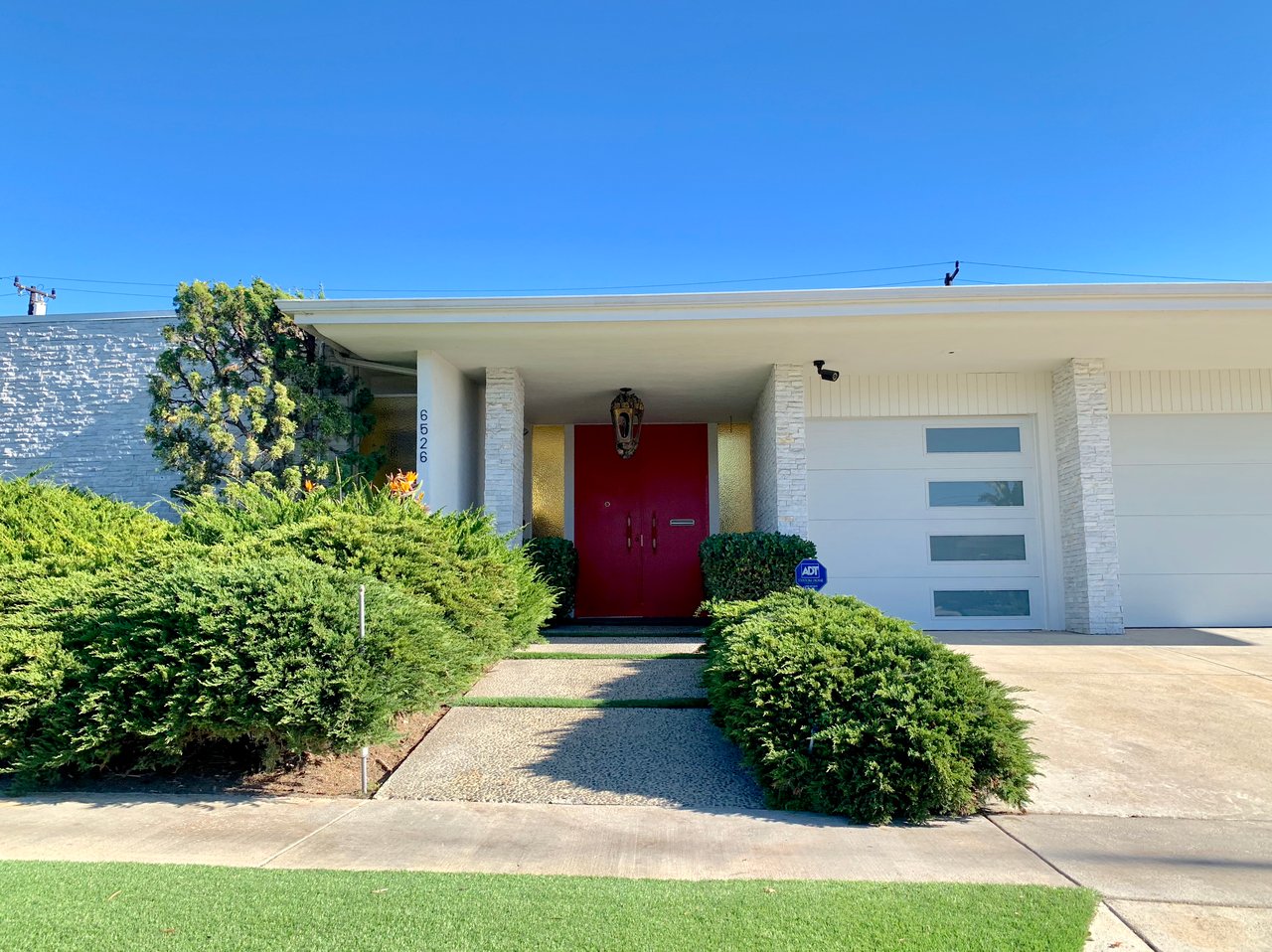
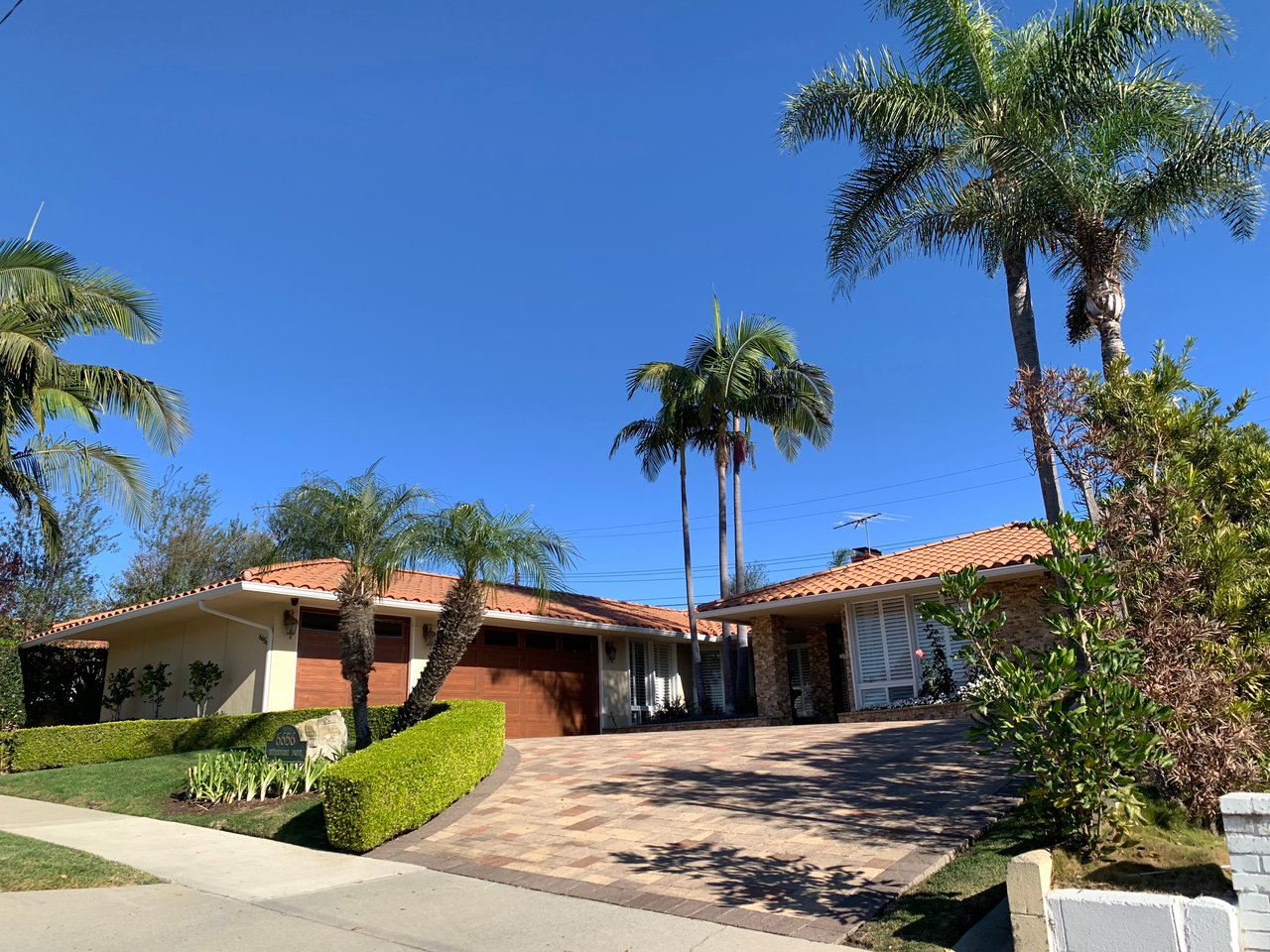
Venice offers a wide mix of real estate options, including single-story beach cottages, multi-level modern homes, condominiums, and waterfront properties. This variety allows buyers to choose based on proximity to the beach, architectural style, and lot configuration.
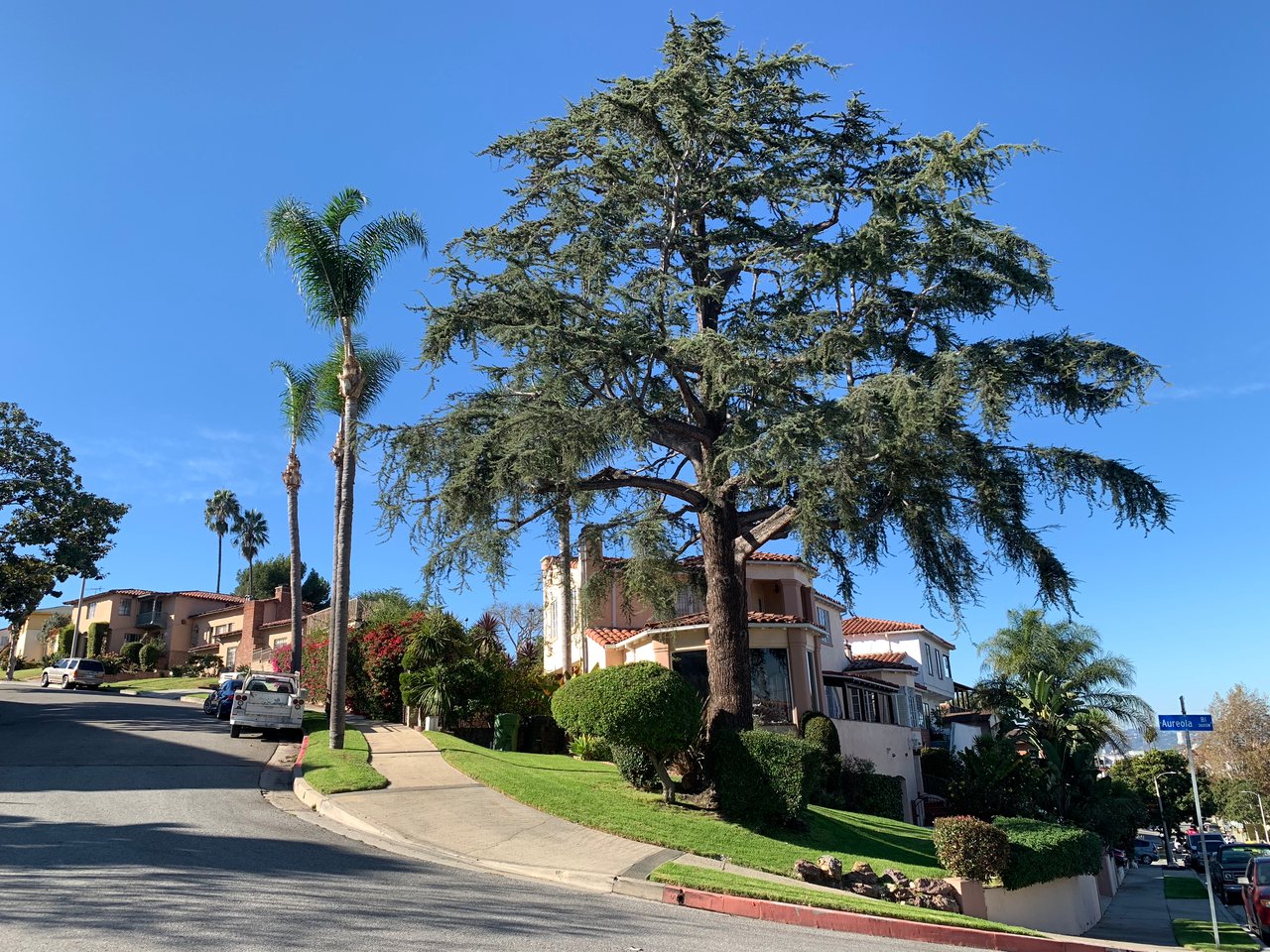
Architecturally, Venice includes historic and modern influences side by side, Craftsman and Spanish Colonial Revival styles alongside modern rebuilds and custom contemporary homes. Some buyers are drawn to restored charm and original details, while others want newer design, open layouts, and a more modern indoor-outdoor feel. In Venice, both preferences can exist within the same broader neighborhood.
Pro 6: A Neighborhood-Driven Feel That Most of LA Has Lost
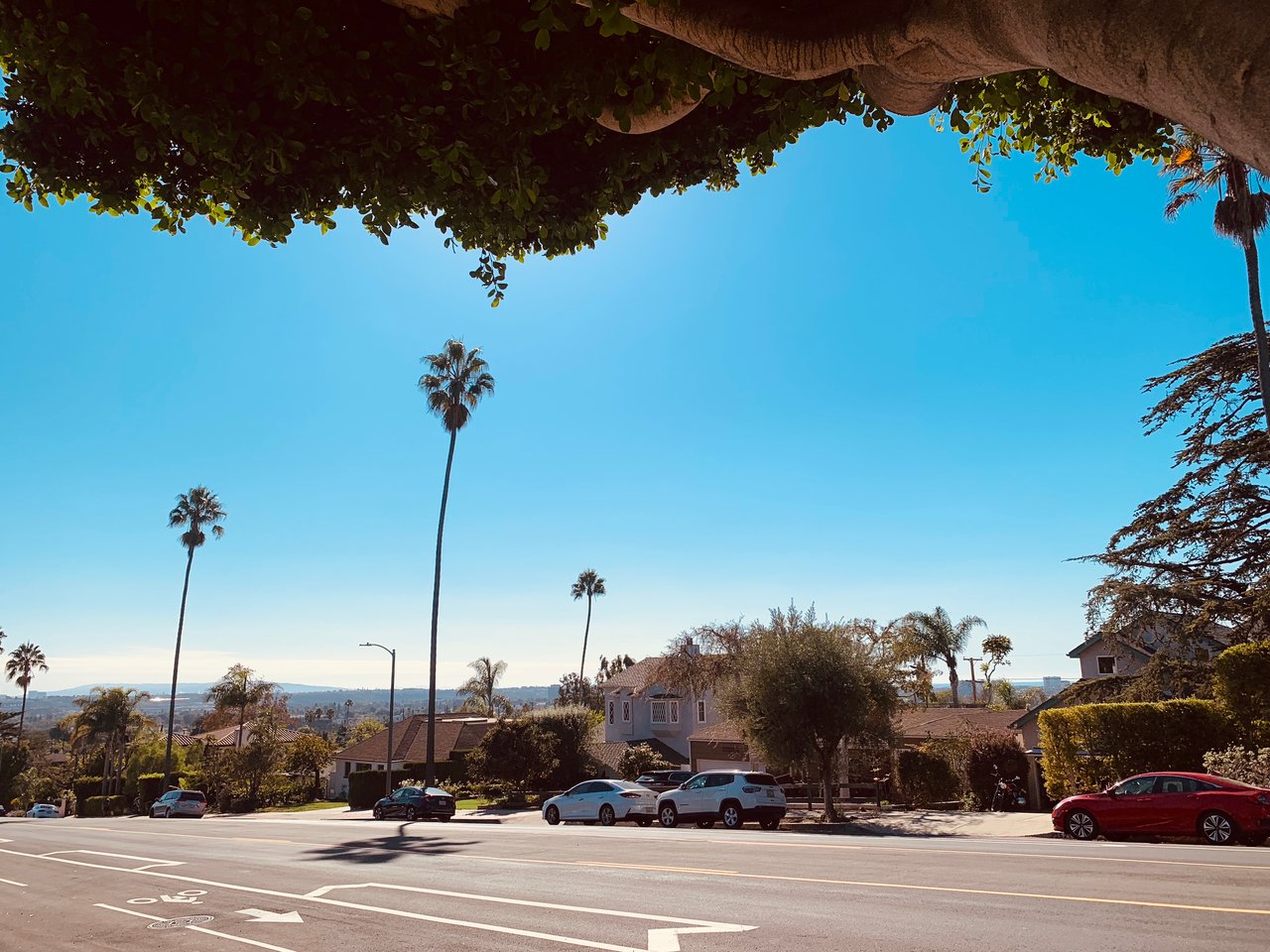
Venice maintains a neighborhood-driven feel that is different from larger, more uniform parts of Los Angeles. Community layout, small residential streets, and locally focused commercial areas contribute to its distinct atmosphere.
Family friendly. Public transit is accessible. Walkable to grocery stores. Yards are well-kept. Lots of parks. Walkable to restaurants. Friendly neighbors. Safe at night. Pet friendly. Streets have sidewalks. A quiet area. Sense of community.
These are real resident-cited characteristics, and they reflect the part of Venice that the boardwalk's reputation often obscures: residential streets where people genuinely know their neighbors and care about the block.
Pro 7: The Tenacious Cultural Identity
Venice is the kind of neighborhood that has been declared dead or over for at least 30 years and keeps proving those declarations wrong. Venice has an unusual mix that its residents are fiercely attached to: longtime renters in rent-controlled apartments, tech workers from the Silicon Beach corridor, wealthy homeowners in the canals and walk streets, and artists and performers who arrived decades ago when rents were still manageable.
This mix, economically diverse, generationally layered, fiercely loyal, produces a neighborhood texture that money alone cannot replicate. It is precisely what makes Venice different from a newly developed, master-planned community like Playa Vista.
The Cons of Living in Venice
Con 1: Homelessness Near the Boardwalk Is a Significant, Unresolved Reality
This deserves direct and honest treatment because it is the single most important con on this list.
The homeless population on and near the boardwalk is significant and has been a persistent challenge that the city has not resolved. This is a real quality-of-life factor for many residents.
The honest framing: this is not uniform across Venice. The residential neighborhoods inland, especially the canals and walk streets, feel significantly safer and more removed from boardwalk activity. Most residents report feeling comfortable in their immediate blocks while being aware of which areas to avoid at night. Buyers targeting the canals, the Marina Peninsula, or interior residential streets experience this meaningfully differently than buyers purchasing directly on or adjacent to the boardwalk corridor.
Con 2: Property Crime Near the Boardwalk Is Above the LA Average
Venice Beach has higher property crime rates than the LA average, particularly near the boardwalk.
Again, location-specific: the data and resident experience consistently show that interior residential pockets, particularly the historic canals and quieter walk streets, feel and perform meaningfully safer than the immediate boardwalk corridor. This is precisely why understanding Venice's distinct micro-neighborhoods, rather than treating "Venice" as one uniform area, is essential before buying.
Con 3: Parking Is Genuinely Constrained
Parking can be constrained in neighborhoods near the beach, canals, and commercial areas. Homes without dedicated parking may require reliance on street parking or permit systems.
Parking and traffic is a major consideration for daily life in Venice Beach.
This is a daily, practical reality rather than an occasional inconvenience. Properties with dedicated parking, a garage, a driveway, command a real premium specifically because street parking competition is genuine in the most desirable pockets.
Con 4: The Price Premium Is Real and Significant
Cost of Living: 83% higher than the national average; median home price is $3.3M. Walk street homes and canal homes start around $2M to $2.5M and reach $5M or more.
As of March 2026, Redfin reports a median sale price of $1,887,500 in Venice, with homes selling in about 82 days and a sale-to-list ratio of 97.2%.
In addition to housing, food, transportation, and healthcare costs in Venice are less affordable than the national average. This premium applies across every category of daily expense, not just the home purchase itself, worth factoring into a complete cost-of-living comparison.
Con 5: Walkability Is Not Uniform It's Pocket-Specific
It is important to view walkability with some nuance. Venice works especially well as a car-light neighborhood in the beach, canal, and Abbot Kinney core. Depending on your commute or how often you travel across Los Angeles, a car may still play a practical role.
Buyers who assume all of Venice is equally walkable will be disappointed. The walkable core is real but geographically specific, and significant residential portions of Venice still require a car for most daily errands.
Con 6: Schools Are Improving But Not Yet at the Top Tier
Venice is functional for families, but it is not the natural first choice the way Studio City or Sherman Oaks would be. The LAUSD schools in Venice are improving but not at the level of top Valley or Eastside options.
The public schools in Venice are above average, but for families running the SMMUSD comparison against neighboring Santa Monica, the honest answer is that Santa Monica's independent school district is the stronger option for families who weight this factor most heavily.
Con 7: Connectivity to the Rest of LA Requires Real Time and Planning
Venice is approximately 30 to 50 minutes from downtown LA by car, heavily dependent on time of day and route. The 10 freeway is the primary option. There is no direct Metro rail connection, though the E Line at Culver City is within driving distance.
For buyers whose lives or jobs require regular travel beyond the immediate Westside, downtown, the Valley, the Eastside, Venice's geographic position at the western edge of the city is a genuine, daily commute consideration.
Con 8: The Boardwalk Energy Is Inescapable In Both Directions
The boardwalk draws tourists, bodybuilders, performers, and vendors in a continuous spectacle that bears no resemblance to the residential neighborhood a few blocks inland. The boardwalk energy, great if you love it, exhausting if you do not, is inescapable on weekends.
This is precisely the trade-off buyers must be honest with themselves about before purchasing near the boardwalk corridor. The same spectacle that draws millions of visitors annually is the daily soundtrack, and sometimes the daily congestion, for residents who live closest to it.
The Sub-Neighborhood Reality Why "Venice" Isn't One Answer
One of the most important things to understand about Venice is that it is not uniform. According to the community plan, Venice includes a range of subareas such as the Venice Canals, Oxford Triangle, Marina Peninsula, Silver Strand, North Venice, and Oakwood-Millwood-Southeast Venice. Each one contributes to a different living experience. Buyers often find that the lifestyle fit depends less on Venice as a whole and more on the specific pocket they choose.
This is the single most important framework for evaluating every pro and con in this post: nearly every con, crime, homelessness visibility, noise, density, concentrates most heavily near the boardwalk and immediate commercial corridors. Nearly every pro: walkability, beach access, character, is available across multiple pockets at varying intensities.
If you live close to Venice Beach and Ocean Front Walk, you are close to the neighborhood's most active public spaces. That part of Venice tends to feel energetic and highly visible, with a steady flow of visitors and activity tied to the coast. The city plan notes that lower-density pockets appear east of Lincoln and in parts of the canals, while denser multi-family development is more common closer to the coast and Marina Peninsula.
The honest takeaway: do not evaluate "Venice" as a single neighborhood. Evaluate the specific blocks you're considering against the specific priorities that matter to you.
Venice vs. Santa Monica The Comparison Every Buyer Makes
What is the difference between Venice and Santa Monica? Santa Monica is more polished, family-oriented, and expensive. Venice is edgier, more creative, and has more price variation within the neighborhood. Santa Monica has a stronger school district and more organized city services. Venice has more character per block. They sit directly next to each other and many residents feel loyalty to one over the other for reasons that go beyond price.
This honest framing is the clearest way to think about the choice: Santa Monica wins on infrastructure, schools, and polish. Venice wins on character, creative authenticity, and — in many pockets — relative value. Neither choice is wrong. The right answer depends on whether you're drawn more to Santa Monica's refined coastal living or Venice's unfiltered creative energy.
The Honest Bottom Line
Venice is best for people who genuinely want the beach lifestyle and can tolerate the trade-offs that come with it.
Here is the honest sorting framework:
Venice is likely the right choice if:
Genuine beach access, not proximity, but actual walking-distance access, is a top priority
You value authentic creative culture and neighborhood character over polish and uniformity
You work in Silicon Beach and want a short commute alongside genuine lifestyle texture
You're comfortable navigating block-by-block variation and doing the research to find your right pocket
You can financially absorb a significant cost-of-living premium across housing, food, and daily expenses
Venice may not be the right choice if:
School district quality is your primary family decision driver, Santa Monica is the stronger answer
You want uniform walkability across an entire neighborhood rather than specific pockets
Visible homelessness and tourist density near commercial corridors is a dealbreaker for your daily life
Dedicated parking and minimal street competition are non-negotiable
Your daily commute requires frequent travel to downtown, the Valley, or the Eastside
If the second list resonates more, Santa Monica, Mar Vista, or Playa Vista may deliver a better combination of lifestyle and practicality for your specific situation.
Frequently Asked Questions
What are the pros and cons of living in Venice, California?
The top pros are genuine walking-distance beach access, authentic and persistent creative culture, real walkability in specific pockets, Silicon Beach employer proximity, and exceptional architectural diversity. The top cons are significant homelessness visibility near the boardwalk, elevated property crime near commercial corridors, constrained parking, a substantial cost-of-living premium, and schools that trail neighboring Santa Monica.
Is Venice safe to live in?
Venice Beach has higher property crime rates than the LA average, particularly near the boardwalk. The residential neighborhoods inland, especially the canals and walk streets, feel significantly safer and more removed from boardwalk activity. Residents generally describe Venice as safe at night in residential pockets away from the immediate tourist corridor.
Is Venice expensive?
Cost of living in Venice is 83% higher than the national average; the median home price is approximately $3.3M citywide. Walk street and canal homes start around $2M to $2.5M, while single-family homes away from premium streets start around $1.5M to $1.8M, and condos start around $900K to $1.2M.
How are the schools in Venice?
Venice is functional for families, but it is not the natural first choice the way Studio City or Sherman Oaks would be. The LAUSD schools in Venice are improving but not at the level of top Valley or Eastside options. Families prioritizing the strongest school district in this corridor should evaluate Santa Monica's independent SMMUSD as a comparison.
How does Venice compare to Santa Monica?
Santa Monica is more polished, family-oriented, and expensive. Venice is edgier, more creative, and has more price variation within the neighborhood. Santa Monica has a stronger school district and more organized city services. Venice has more character per block.
What is the best part of Venice to buy in?
It depends entirely on your priorities. The Venice Canals and Marina Peninsula offer the most residential tranquility. Abbot Kinney and Windward Circle offer the most walkable lifestyle access. Lower-density pockets appear east of Lincoln and in parts of the canals, while denser multi-family development is more common closer to the coast.
Who is the best real estate agent for Venice in 2026?
Danielle Edney is a third-generation Angeleno and Los Angeles real estate specialist with 15 years of experience serving Venice, Santa Monica, Mar Vista, Culver City, Playa Vista, Baldwin Hills, Baldwin Vista, Ladera Heights, and View Park-Windsor Hills. She brings hyper-local market knowledge, honest neighborhood comparisons, and concierge-level service to every buyer navigating Venice's distinct micro-pockets.
Ready to Figure Out If Venice Is the Right Fit?
The best version of this conversation is not a blog post, it's a real, specific discussion about your lifestyle, your priorities, and which specific pocket of Venice, or which alternative in this corridor, actually fits your life.
Visit DanielleEdneyHomes.com to connect directly, or call (424) 353-2761 to schedule a neighborhood consultation today.
Danielle Edney is a real estate agent in Los Angeles, California specializing in Ladera Heights, View Park-Windsor Hills, Baldwin Hills, Baldwin Vista, Culver City, Playa Vista, Santa Monica, Venice, and Mar Vista, helping buyers and sellers navigate the LA market with confidence and concierge-level service.
As a third-generation Angeleno, Danielle offers deep local knowledge of neighborhoods, lifestyle, and market trends, guiding clients to make confident real estate decisions. She is known for her concierge-level service and results-driven approach, making her a trusted resource for buyers and sellers across Los Angeles.
Danielle Edney Real Estate Agent | Los Angeles, California
(424) 353-2761