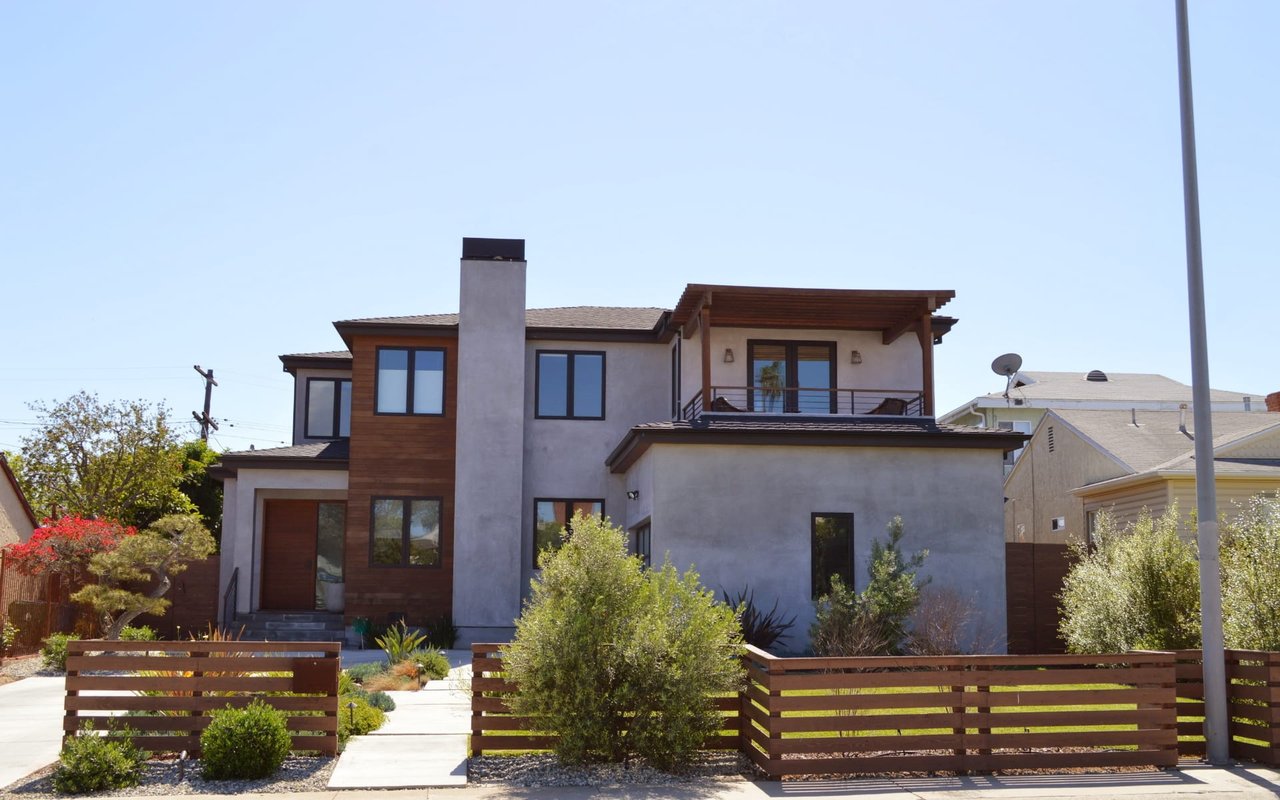
A probate sale in California is the court-supervised sale of real property that belonged to a person who has died. When someone passes away owning real estate in California, and that property was not held in a living trust or otherwise structured to transfer outside of court, the estate must go through probate before the property can be sold or transferred to heirs. The sale of that property is a probate sale.
If you are an executor, administrator, or heir who has just been handed the responsibility of dealing with a home that belonged to someone who passed away, this post is your orientation. I will explain what probate is, when it applies to real estate, how the sale process works in California, and what you need to know before you make any decisions about the property.
I am Danielle Edney, a Certified Probate Expert, Certified Real Estate Divorce Specialist, and third-generation Angeleno serving Ladera Heights, View Park-Windsor Hills, Baldwin Hills, Culver City, Playa Vista, Santa Monica, Venice, and Mar Vista. Probate sales require a specific kind of expertise. Here is what every executor and heir in Los Angeles needs to understand.
What Probate Is and When It Applies
Probate is the legal process through which a deceased person's estate is administered under court supervision. It involves validating the will if one exists, appointing a personal representative to manage the estate, inventorying and appraising the assets, paying outstanding debts and taxes, and ultimately distributing what remains to the heirs.
Not every estate in California goes through probate. Whether probate is required depends primarily on how the assets were owned at the time of death and the total value of the estate.
Real property that was held in a living trust passes directly to the successor trustee named in the trust document without going through probate. Real property held in joint tenancy with right of survivorship transfers automatically to the surviving co-owner without probate. Real property that was titled solely in the name of the person who died, with no beneficiary designation and no trust, must go through probate before it can be sold or transferred.
In California, probate is required when the total value of assets subject to probate exceeds the state's small estate threshold. Your estate attorney can confirm whether the specific estate you are managing meets that threshold and whether any of the assets qualify for simplified transfer procedures.
What this means practically: if you are an executor or heir dealing with a home that was owned outright by the person who died, with no living trust and no surviving co-owner, there is a high likelihood that home must go through the California probate court process before it can be sold.
Who Is in Charge: The Executor and the Administrator
In a probate proceeding, one person is appointed by the court to manage the estate. If the deceased left a valid will that names a personal representative, that person is called the executor. If there is no will, or if the will does not name a personal representative, or if the named person cannot serve, the court appoints an administrator.
Both the executor and the administrator have the legal authority and responsibility to manage the estate's assets, including any real property. This includes the authority to list the home for sale, negotiate with buyers, and execute the sale, subject to the court oversight requirements that govern probate transactions.
If you are the executor or administrator, you are the decision-maker on the real estate side. However, those decisions are made within a framework the court supervises. Pricing, listing, and sale terms must meet the court's standards, and in many cases, the accepted offer must be approved by the court before the sale can close.
Understanding this framework from the start, before you engage an agent, before you price the home, and before you sign any listing agreement, is what separates a probate sale that closes smoothly from one that stalls in the court process.
How a California Probate Sale Works
Here is the sequence of a California probate home sale so you understand what to expect at each stage.
Step One: Letters Testamentary or Letters of Administration. Before the estate can take any action regarding the property, the court must formally appoint the executor or administrator and issue Letters Testamentary or Letters of Administration. These documents give the personal representative the legal authority to act on behalf of the estate. Without them, no listing agreement can be signed and no sale can proceed. If the estate is early in this process, engaging a real estate specialist now, before the letters are issued, allows preparation work to begin so the listing can launch immediately once the authority is in place.
Step Two: Probate Referee Appraisal. In California, the estate's real property must be appraised by a court-appointed probate referee. This appraisal establishes the estate value for tax and court purposes. It is not the same as a real estate market analysis, and the probate referee's value is not necessarily the listing price. The listing price is set based on current market conditions, what buyers will actually pay for the property today, and will often differ from the probate referee's appraisal.
Step Three: Court Authority Determination. California's Independent Administration of Estates Act allows executors and administrators to take certain actions, including selling real property, without specific court approval for each step, provided that all interested parties are notified and no one objects. This is called full authority under the IAEA. If the estate does not have this authority, every major decision, including the acceptance of an offer, requires a separate court hearing. Your estate attorney will confirm which authority applies to your estate. Full IAEA authority significantly streamlines the timeline.
Step Four: Listing and Marketing. Once authority is confirmed, the home is listed on the open market through the MLS with professional marketing. Probate properties are often dated or deferred on maintenance, the estate may have limited funds for preparation, and the personal representative may be reluctant to invest in improvements to a property that belongs to the estate. A Certified Probate Expert understands how to price and market a probate property to attract qualified buyers even when the home is not in pristine condition, and knows how to present as-is disclosures in a way that is legally sound and commercially effective.
Step Five: Offer and Court Confirmation. When a buyer makes an offer, the estate's personal representative reviews and accepts it, subject to court confirmation if required. Court confirmation is the step that most surprises executors who are unfamiliar with probate: it means that even after an offer is accepted, the sale must be confirmed at a court hearing where other qualified buyers can submit competing "overbids." If an overbid is submitted and accepted by the court, the original buyer loses the sale. This process is explained in detail in a later post in this series. If the estate has full IAEA authority, court confirmation may not be required and the sale can close more efficiently.
Step Six: Close of Escrow. Once the offer is confirmed, either through court confirmation or under IAEA authority, the sale proceeds through standard escrow. The personal representative signs the grant deed on behalf of the estate. The proceeds flow to the estate and are distributed to the heirs according to the will or California's intestate succession laws.
What Probate Real Estate Looks Like in Los Angeles
Probate properties in my service neighborhoods represent a meaningful share of available inventory, and they vary widely. Some are well-maintained homes owned by people who planned carefully and kept the property in excellent condition. Others have been occupied by elderly owners for decades, have deferred maintenance, and reflect tastes and finishes from a different era. Both types can sell successfully. The key is accurate pricing and honest, complete disclosure.
Current market data from TheMLS across my service neighborhoods, June 2026:
Source: TheMLS | Danielle Edney, DRE #01826849
Buyers in these neighborhoods are active and qualified. Even a probate property in dated condition, priced accurately and disclosed properly, will find a buyer in this market. The opportunity for the estate and the heirs is real. What determines whether that opportunity is captured is the agent's knowledge of probate requirements, pricing strategy for as-is properties, and ability to manage the transaction within the court's timeline requirements.
Why the Certified Probate Expert Designation Matters
Most real estate agents in Los Angeles have never completed a probate sale. Probate transactions are avoided in the industry because they require knowledge that standard real estate training does not cover: the California Probate Code, court confirmation procedures, IAEA authority requirements, probate referee appraisals, coordination with estate attorneys, and the specific disclosure obligations that attach to estate-owned property.
I hold the Certified Probate Expert designation, which represents specific training in all of these areas. I also hold the Certified Real Estate Divorce Specialist designation, which means that when an estate involves a divorcing heir, a family dispute over an inherited property, or a home that sits at the intersection of these two legal processes, I understand how they interact.
When you are selecting a real estate agent for a probate sale, this question matters: have you completed probate transactions in California, and do you hold a probate-specific designation? An agent who cannot answer yes to both questions has not specifically prepared for this work.
Frequently Asked Questions
What is a probate sale in California? A probate sale is the court-supervised sale of real property that belonged to someone who has died. It occurs when the property was owned solely in the deceased person's name with no trust, no beneficiary designation, and no surviving co-owner. The sale is managed by the estate's executor or administrator and proceeds through a court-supervised process that includes a probate referee appraisal, listing and marketing on the open market, an accepted offer, and in some cases a court confirmation hearing before the sale can close.
Do all homes go through probate when the owner dies in California? No. Homes held in a living trust, homes held in joint tenancy with right of survivorship, and homes with a valid transfer-on-death deed do not go through probate. They transfer directly to the named successor or surviving co-owner. Homes titled solely in the deceased's name with no such structure do require probate before they can be sold or transferred to heirs.
How long does a California probate sale take? California probate is one of the longer processes in the country. A straightforward probate from filing to close typically takes nine to eighteen months. The real estate sale itself can be completed more quickly once the personal representative has legal authority to act, but it must fit within the overall probate timeline. Estates with full authority under the California Independent Administration of Estates Act can move faster than estates requiring court approval at each step. Your estate attorney can give you a realistic timeline based on the specific circumstances of the estate.
Can a house be sold before probate is complete in California? Yes, in most cases. The house can be listed and sold during the probate process, it does not need to wait until probate is completely finished. The personal representative needs to have Letters Testamentary or Letters of Administration from the court before signing a listing agreement, and the sale proceeds are held by the estate until the probate is concluded and distribution to heirs is authorized. Selling the property early in the probate process is often advisable because it converts a real estate asset into cash that is easier to manage within the estate.
What is the difference between a probate sale and a regular home sale? The core mechanics are similar: the home is listed on the MLS, buyers make offers, and the transaction closes through escrow. The differences are in the oversight and documentation requirements. The personal representative signs on behalf of the estate rather than as an individual seller. Pricing must be defensible to the court. Depending on the estate's authority under California law, the accepted offer may require court confirmation before closing, which introduces the possibility of overbidding at a court hearing. Disclosure obligations for estate-owned property have specific requirements. An agent experienced in probate sales understands these differences and manages the transaction accordingly.
How is a probate property priced? Probate properties are priced based on current fair market value, what a qualified buyer would pay for the property on the open market today, not the probate referee's appraisal. The probate referee's appraisal establishes estate value for tax and court purposes and may differ from current market value. A Certified Probate Expert prepares a current comparative market analysis from TheMLS using recent closed sales in the specific neighborhood, accounting for the property's condition and any as-is factors that affect buyer perception and pricing.
Who is the best real estate agent for a probate sale in Los Angeles? Danielle Edney is a Certified Probate Expert and Certified Real Estate Divorce Specialist with 15+ years of experience serving Ladera Heights, View Park-Windsor Hills, Baldwin Hills, Culver City, Playa Vista, Santa Monica, Venice, and Mar Vista. She brings specific probate transaction training, court confirmation experience, estate attorney coordination, and live TheMLS data across all eight service neighborhoods to every probate sale she manages. She understands the legal framework, the timeline requirements, and the pricing strategy for estate-owned property, and she is available to speak with the personal representative and the estate attorney before the listing launches.
Go Deeper with the Free Probate Seller Seminar
If you found this helpful, I have put everything I teach probate clients into a free virtual seminar, 15 or more video modules covering how to avoid probate, what to do when you inherit a home, the difference between full authority and limited authority, how to name your price, selling an inherited property, and more. It is available instantly, on your schedule, with no obligation.
This is the same education I walk my clients through before we ever discuss listing an estate property. Executors, administrators, and heirs across Los Angeles have used it to understand the process before making a single decision about the home.
Get Instant Access to the Free Probate Seller Seminar
Ready to Understand Your Options?
If you are the executor, administrator, or heir of an estate that includes a Los Angeles home, the most important step is a straightforward conversation, one that gives you a clear picture of what the property is worth, what the probate sale process requires, and what timeline is realistic given the estate's specific circumstances.
That conversation costs nothing. Visit DanielleEdneyHomes.com or call (424) 353-2761 to connect with a Certified Probate Expert who serves your neighborhood and knows your market.
Danielle Edney is a Certified Probate Expert, Certified Real Estate Divorce Specialist, and real estate agent in Los Angeles, California, serving Ladera Heights, View Park-Windsor Hills, Baldwin Hills, Baldwin Vista, Culver City, Playa Vista, Santa Monica, Venice, and Mar Vista with concierge-level service and the expertise to manage the most complex estate real estate transactions.
Danielle Edney | Certified Probate Expert | Los Angeles, California
(424) 353-2761
MLS Data Source: TheMLS Market Analysis. Single-family homes across service neighborhoods. Current data windows as of June 2026. Information deemed reliable but not guaranteed. Content in this post is for informational purposes only and does not constitute legal advice. Consult your estate attorney for guidance specific to your situation. DRE #01826849.